Get Home Air Quality Testing
Home air quality testing services help property owners identify issues like mold, allergens, or pollutants through inspections conducted by local contractors.
Home air quality testing services provide property owners with valuable insights into the indoor environment. Whether you're concerned about allergens, airborne particles, or potential contaminants, understanding the quality of the air inside a property is an important step in maintaining a healthy living or working space. Local contractors specializing in air quality assessments can help identify issues that might otherwise go unnoticed, supporting informed decisions for ongoing property management and improvement.
For property owners planning renovations, managing occupancy, or simply seeking peace of mind, exploring local options for air quality testing can be a practical move. Comparing available services ensures that the specific needs of a property are addressed with appropriate solutions. Continued reading can help identify qualified service providers in the area who are equipped to assist with testing and related assessments, making it easier to find the right fit for your property’s air quality needs.
- Home Air Quality Testing - homeowners may need this service when experiencing unexplained allergies or respiratory issues.
- Indoor Air Quality Assessment - individuals seeking to identify sources of indoor pollutants in their living spaces.
- Ventilation System Inspection - those noticing persistent odors or poor air circulation in their homes.
- Mold and Mildew Detection - property owners concerned about hidden mold growth affecting air quality.
- Air Pollutant Screening - residents wanting to evaluate levels of dust, pet dander, or chemical fumes indoors.
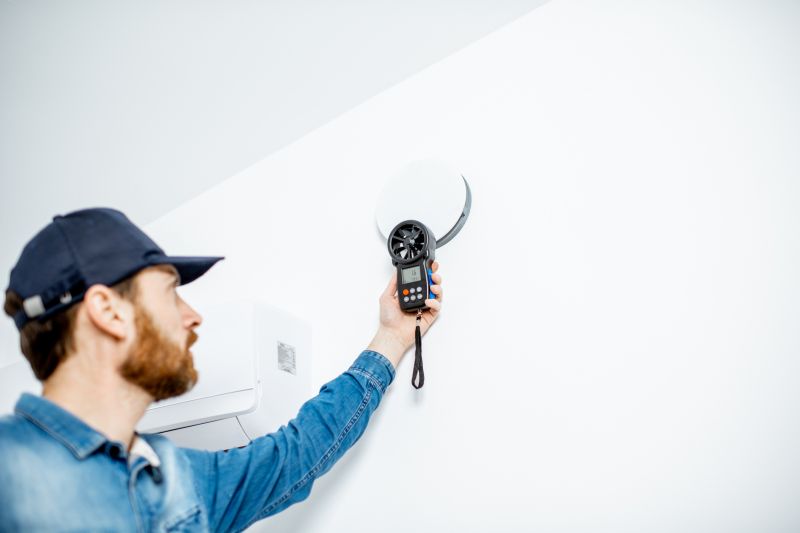

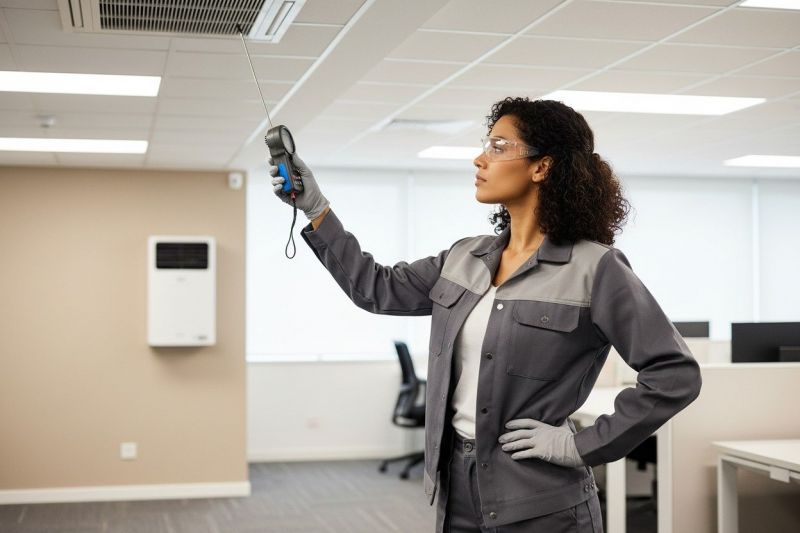
Home air quality testing services involve professional assessments to measure the levels of pollutants, allergens, and other airborne substances inside a residence. These tests typically include collecting air samples from various areas within the home and analyzing them for common indoor contaminants such as mold spores, volatile organic compounds (VOCs), dust mites, pet dander, and chemical fumes. The goal is to identify potential sources of indoor air pollution that could be affecting health or comfort. By pinpointing specific issues, homeowners can make informed decisions about necessary improvements or remediation measures.
These services are especially helpful in solving problems related to unexplained allergies, respiratory issues, or persistent odors that do not respond to typical cleaning. They can also detect hidden mold growth behind walls or in less visible areas, which might be contributing to health concerns or property damage. Additionally, air quality testing can reveal the presence of airborne chemicals from household products, renovations, or nearby sources. Identifying these problems early can lead to targeted solutions, such as improved ventilation, mold remediation, or the removal of specific pollutants, ultimately creating a healthier indoor environment.
Home air quality testing services are commonly used in a variety of property types, including single-family homes, condominiums, and multi-family residences. They are also valuable for commercial properties, such as offices, clinics, or rental units, where maintaining good indoor air quality is important for occupants’ well-being. Homes that have experienced water damage, recent renovations, or signs of mold growth often benefit from testing. Additionally, properties located in areas with high pollution levels or with residents who have allergies or respiratory sensitivities may find air quality assessments particularly beneficial.
Homeowners who notice symptoms like frequent allergies, asthma flare-ups, or unusual smells may want to consider air quality testing to identify underlying issues. It can also be a proactive step for those planning to renovate or purchase a new property, ensuring the indoor environment is safe and healthy from the start. By connecting with local service providers, homeowners can compare options and find experienced contractors who specialize in comprehensive air quality testing. This helps ensure that the assessment is thorough and tailored to the specific needs of each property, supporting a healthier living space.
The overview below groups typical Home Air Quality Testing projects into broad ranges so you can see how smaller, mid-sized, and larger jobs often compare in your area.
In many markets, a large share of routine jobs stays in the lower and middle ranges, while only a smaller percentage of projects moves into the highest bands when the work is more complex or site conditions are harder than average.
Routine Testing - typical costs range from $150 to $400 for standard indoor air quality assessments. Many common tests fall within this range, making it a cost-effective option for regular monitoring.
Comprehensive Air Quality Analysis - more detailed testing services usually cost between $400 and $1,200. These larger, more thorough evaluations are often needed for homes with specific concerns or multiple pollutants.
Specialized Tests - advanced testing for mold, radon, or VOCs can range from $300 to $900 depending on the scope. Many projects in this category are moderate in size, but some complex cases can reach higher costs.
Full System Replacement - replacing air filtration or ventilation systems typically costs $2,000 to $5,000 or more. Larger, more complex projects can push costs beyond this range, though most fall within the middle tiers.
Actual totals will depend on details like access to the work area, the scope of the project, and the materials selected, so use these as general starting points rather than exact figures.
Indoor Air Quality Assessments - local contractors conduct comprehensive evaluations to identify pollutants and sources affecting indoor air quality, similar to testing for airborne contaminants indoors.
HVAC System Inspections - professionals inspect heating, ventilation, and air conditioning systems to ensure proper operation, which is essential for maintaining healthy indoor air conditions.
Mold Inspection Services - specialists identify mold growth and moisture issues that can impact air quality, sharing skills in sampling and environmental assessment.
Radon Testing Services - local providers measure radon levels in homes, requiring similar testing techniques and planning as air quality testing for airborne toxins.
Ventilation System Evaluations - experts assess ventilation effectiveness and recommend improvements to enhance indoor air circulation and quality.
Environmental Dust and Particulate Testing - technicians analyze dust and particulate matter levels to identify sources of indoor air pollution, utilizing similar sampling and analysis methods.

When comparing home air quality testing service providers, it’s important to consider their experience with similar projects. Homeowners should look for local contractors who have a proven track record of handling air quality assessments in residential settings comparable to their own. An experienced provider is more likely to understand the specific challenges that can arise during testing and can deliver accurate, reliable results. This familiarity with similar projects can help ensure the testing process is thorough and that any recommendations are based on a solid understanding of common issues in homes like yours.
Clear, written expectations are essential when evaluating potential service providers. Homeowners should seek out local contractors who can provide detailed descriptions of the testing process, what areas will be assessed, and what the results will include. Having a well-defined scope of work helps prevent misunderstandings and ensures that everyone is aligned on what the service entails. A reputable provider will be transparent about their methods and will be willing to clarify any questions about the process or the information that will be delivered, making it easier to compare options objectively.
Reputable references and effective communication are key factors in choosing a home air quality testing provider. Local contractors with positive references from previous clients demonstrate their ability to deliver quality service and maintain professional standards. Good communication throughout the process-such as timely responses to inquiries and clear explanations of findings-can significantly impact the overall experience. It’s important to find service providers who are approachable and willing to discuss their approach, as this indicates a commitment to customer understanding and satisfaction. Remember, this site introduces homeowners to local options for air quality testing, but the actual work is handled by qualified service providers in the community.
Property owners use Home Air Quality Testing services for practical projects around their homes and businesses. This guide focuses on everyday jobs and straightforward project options.
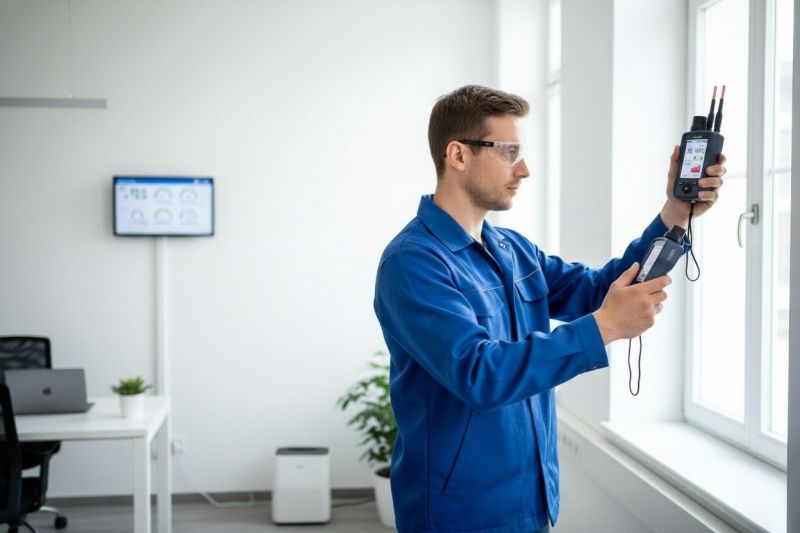
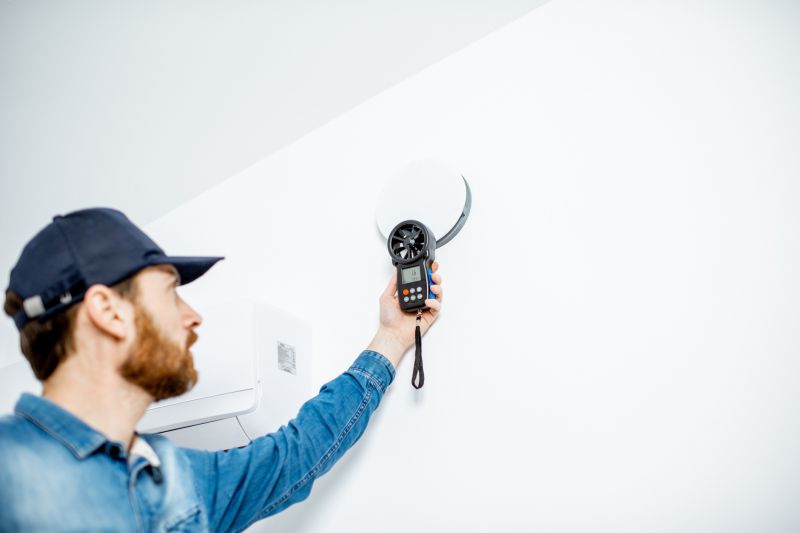
Homeowners in the area often seek air quality testing services when they notice persistent odors, unexplained allergies, or respiratory issues within their properties. Whether it's after renovations, during a move-in process, or simply as part of routine maintenance, property owners want to ensure their indoor environment is safe and comfortable. Local contractors who specialize in air quality assessments can identify potential sources of pollutants, mold, or other airborne contaminants that may affect health and comfort.
Additionally, property owners may look for air testing services when preparing for real estate transactions, or if they suspect issues like mold growth or poor ventilation. These services can provide valuable insights, helping homeowners make informed decisions about necessary repairs or improvements. Connecting with experienced local service providers allows property owners to address indoor air concerns efficiently and effectively, ensuring a healthier living space.
What is home air quality testing? Home air quality testing involves assessing indoor air for pollutants, allergens, and contaminants to identify potential health risks.
Why should I consider air quality testing? Testing can help detect issues like mold, dust, or volatile organic compounds that may affect indoor air safety and comfort.
How do local service providers perform air quality testing? They typically use specialized equipment to collect air samples and analyze them to determine the presence of various airborne substances.
What types of pollutants can be detected through testing? Testing can identify mold spores, dust particles, pet dander, smoke, and chemical fumes among other indoor air contaminants.
How can I find qualified local contractors for air quality testing? This website helps connect homeowners with local service providers experienced in performing comprehensive home air quality assessments.
Indoor Air Quality Testing - Property owners can identify hidden pollutants or allergens that may affect health and comfort within their homes.
Mold and Mildew Detection - Homeowners can check for mold growth in damp areas to prevent potential health issues and property damage.
Ventilation System Assessment - Residents can evaluate the effectiveness of their current ventilation to improve air circulation and reduce indoor contaminants.
Air Quality Monitoring - Individuals can track changes in air quality over time to make informed decisions about improving their living environment.
If you are thinking about Home Air Quality Testing for a property, this guide is meant to help you understand the work, the typical project types, and how different options might fit your plans.
When you are ready, you can use the quote form on this page to share a few details about your project. From there, local pros can review the basics and respond with options that match what you have in mind.